

A customer requests a return. The parcel is collected, but the warehouse cannot find it two days later. Support sees “return approved” and assumes a refund has been issued. The customer sees no money. Three teams are looking at different parts of the same process.
Reverse logistics needs one return record that follows the item from request through final resolution. This article focuses on physical handling after an online purchase; a product warranty claim may require a different eligibility and repair process.
Separate permission to return from receipt of the item
Start with original order, line item, quantity, return reason and the store's stated policy. An authorised return means the customer may send the item back. It does not mean the parcel has been collected, received or accepted after inspection.
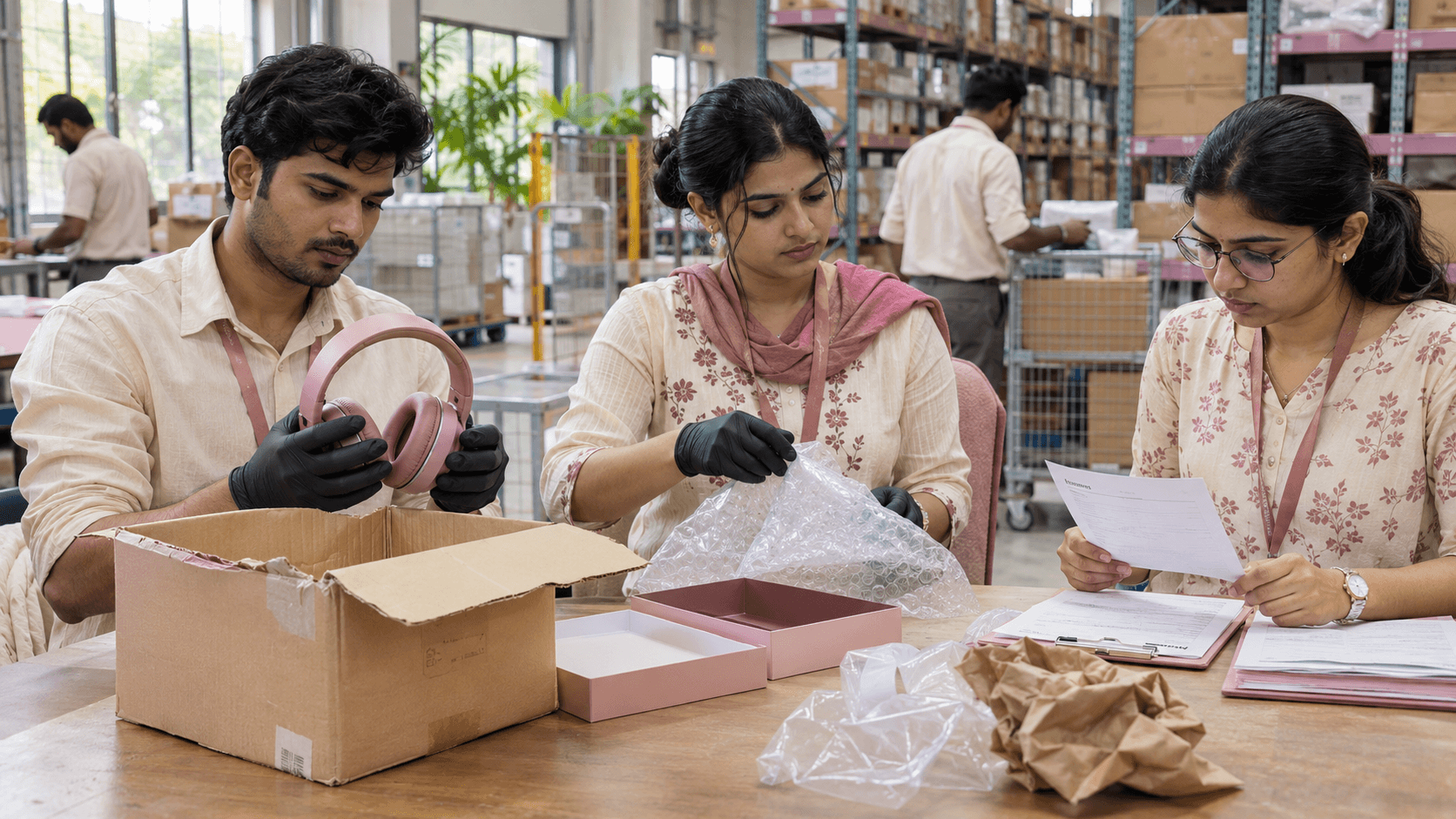
Create a return ID and connect carrier pickup details to it. When the warehouse receives the parcel, scan or record that ID and note the contents. If the wrong item or quantity arrives, support needs a reason and evidence before promising a resolution.
WooCommerce's Returns and Warranty documentation describes return requests and return material authorisation identifiers. A store can use such an extension or a custom workflow, but the important part is a consistent link among the order, customer request and physical parcel.
Make inspection a decision with evidence
Inspect the product against the return policy and the condition described by the customer. Record the inspector, date, outcome and relevant evidence. Useful outcomes include eligible for refund, eligible for replacement, needs clarification, not eligible under the stated policy, and damaged in transit. Avoid a single “returned” state that hides whether anyone checked the contents.
After inspection, decide what happens to the unit: restock, repair, quarantine, return to supplier or discard according to the business's process. Restocking should not be automatic at parcel receipt. A used or damaged item placed back in sellable stock creates a second customer problem.
For example, a customer returns headphones because one side stopped working. The warehouse confirms the correct model but sees broken packaging. The team can record the product fault and packaging condition separately, then apply the published policy and choose a resolution. The software should preserve the evidence and decision, not replace the policy with an automated guess.
Reconcile money and inventory after resolution
The refund or replacement action should refer to the approved return ID. A failed refund attempt needs a visible retry or support task; it should not leave the customer page at “completed.” If a replacement ships, link the new order and tracking reference to the old return.
Test partial returns, wrong-item parcels, lost pickups, rejected inspections and refund failures. Check that customer messages reflect the real stage. “We have received your parcel” should not go out merely because a pickup label was generated.
If I were designing this at adityazen, I would walk one return from the customer's form to the warehouse shelf and the payment record. That reveals where items go missing and where support sees an overly optimistic status.